99 Bottles of Biodegradable Plastic

Continuing on from the trend of the last post, this too is a discussion concerning the development of ecofriendly materials. Regardless whether or not you consider plastic waste  a problem, on average each American uses about 167 plastic bottle a year and out of all of those only 38 are ever recycled. Pitiful recycling rates coupled with an approximately 100 year half-life for generic plastic water bottles, the human race is essentially burying itself into a plastic tomb. Ignoring this world wide problem will inevitably doom humanity to world where clean, potable water will be the most precious commodity and water front beaches which used to accommodate many recreational activities will become barren wastelands riddled with synthetic materials and devoid of all life forms.

bottle_1
Fig. 1: Inundated with plastic bottle waste

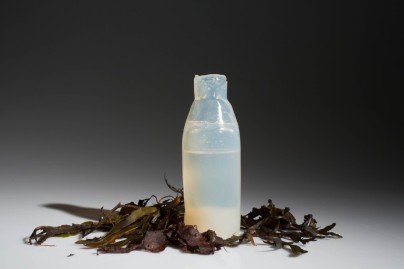
Again I hope I have sufficiently instilled an appropriate sense of urgency in this matter. But once again thanks to the novel experimentation of scientists compelled to try and help mitigate the deplorable practices that humanity has adopted as acceptable, there is some promise in a future that will be less polluted, is more conscious about the global ecosystem and accepts the responsibility to help alleviate these extreme burdens we have imposed on Mother Earth. Thanks to the efforts of Ari Jónsson, the possibility of commercial water bottles that biodegrade once empty is no longer just a fantastical ideal but is looking more and more like the future commercial product packaging. In summation Jónsson has developed a water bottle comprised of algae derived agar powder and water. That’s right a water bottle made of water! Adding to the praiseworthiness of this invention is a fabrication process which seems to be relatively straight forward. By mixing the agar powder with water, a primary gelatinous material is produced. Next the substance is then heated then subsequently poured into a pre-cooled mold. Submerging the mold in an ice bath for a few minutes and then placing in a refrigerator, the final substance finally attains an adequately rigid cavity structure.
bottle_2
Fig. 2: Algae and water based bottle

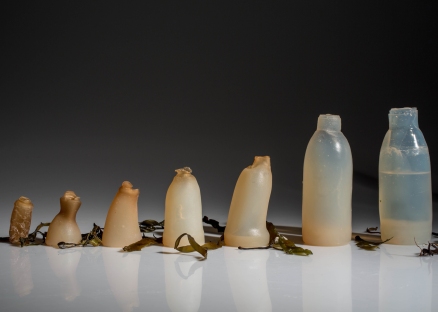
Despite some small influence on taste for the enclosed liquid, Jónsson actually encourages those who find the taste palatable to go ahead and take a bite out of the bottle when they are done with it. The astounding capabilities of this bottle to begin decomposing only once the contained liquid is removed, embraces the fundamental caveat that enables nature’s optimized systems; there is no such thing as waste material, everything has a purpose and everything can be repurposed. The concept of waste is truly human conceived notion borne from man’s unjust superior ego and selfish entitlement.
bottle_3
Fig.3: Time progression of bottle decomposition

If man strived to achieve adequacy instead of obsessing over attaining superlatives such as “biggest”, “best” or “perfect” then  misappropriation of resources, funding and time would be a nonissue and allow for the possibility of many more imperative endeavors to be explored for the holistic purpose of global improvement and cooperative exploration of novel technological horizons.

–PRS

Sources

Citrus and Crustaceans, Now That’s a Wrap

Go to your fridge or pantry and take a look at all of your perishable food items. What do you notice?

As you may have seen, almost everything is packaged in a plastic wrapping. Now think, how much of that plastic is actually recycled? On average 7 billion pounds of PVC plastic is thrown away each year in the U.S. alone, and only 18 million pounds of that amount is actually recycled. In practical terms, none of this plastic is reused and the rest is left to pollute the environment in landfills and massive floating garbage islands in our oceans. The excessive, wasteful nature of humans is without question the most devastating factor that is damaging the world ecosystem. No more is it a question of “if” we should do something about our atrocious behavior, but more so “are we too late?”. Left unchecked our wanton creating of waste will inevitably deplete the Earth of all usable materials whilst ruining the environment beyond repair.

Naked and Afraid star returns to clean up the island where she survived during hit Discovery TV show
Fig. 1: One Example of Plastic Pollution

Now that I have sufficiently guilt-tripped and scared the hell out of you, listen up because I’m about to enlighten you on a break through that provides hope for us in remedying the harm we have inflicted on our planet. Discovered at the National University of Singapore, a natural food packaging has been developed that is comprised almost exclusively natural materials and has been proven to double the shelf life of food items. Created from chitosan a sugar derived from the outer shell of most crustaceans, grape fruit seed extract (GFSE) and a common food grade plasticiser, this packaging almost seems to good to be true.

thumb_68634_article_normal
Fig. 2 : Fabrication Infographic for Chitosan Packaging

Demonstrated in the figure above, the fabrication process in order to achieve this plastic seems relatively straight forward and producing small amounts of the plastic takes about a day. First grape fruit seed extract is put into a container, next chitosan powder is dispersed evenly along with the common food plasticiser to achieve enhanced plasticity and reduced the brittleness, finally the solution is put into an oven and allowed to dry. The result is a transparent, thin plastic film.

Chitosan has already been utilized in applications ranging from obesity, Crohn’s disease, anemia, insomnia, oral disease prevention, an aid in wound healing as well as a carrier for controlled-release medications. Despite the one drawback of possible shellfish allergy considerations, chitosan has been proven to be an all around acceptable and praise worthy substance that encompasses the amazing properties of: biodegradability, biocompatibility, non-toxicity, antimicrobial and antifungal. Similarly, GFSE has been well documented for its antioxidant properties alongside its exceptional antiseptic and antiviral qualities. Even more astonishing is the composite plastic has been shown to effectively reduce the transmission of UV light through the substance which results in less oxidation and deterioration of  contained food products.

Humans needs to overcome the infatuation with “I” and realize that an individual’s relevance is nothing compared to the collective efforts of a group. Progressive, novel science, and in particular that which involves looking towards Mother Nature for fundamental inspiration, holds the most promise for rectifying all of the human caused problems surmounting in the global ecosystem. Man’s efforts have always been short sighted, fixated upon maximizing quantity at the cost of quality. In countless examples, nature does it better with less effort and less waste. The dominating preference for “good enough” in modern society is what limits our collective ability. Less is more, using what is already present,  allowing sufficient time for results to emerge, these are the qualities of nature’s engineering that allows it to be so successful, whilst in comparison to human protocols which focus on more is better, synthesizing costly artificial substances, and demanding instantaneous benefits all coincide to foster inevitable problems.

Yes this biologically based plastic comes at a higher production cost and may be slightly more difficult to fabricate on a large scale, but it must be understood that lessened monetary gain and longer production processes are more suitable expenses to pay than the overall health of the Earth. So do us all a favor, use a refillable water bottle, utilize available recycling receptacles as often as possible and in general be aware of yourself in the context of your environment.

–PRS

Sources

Revolutionizing the World, One Parasite at a Time

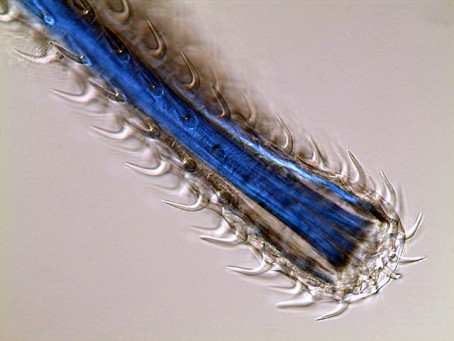
Researchers have begun to look in the strangest of places to find a source of inspiration for developments in contemporary medicine. This time around, they looked deep into the guts of fish to find a model for a revolutionary skin graft patch that works well in wet soft tissues, such as the lining of the gut or exposed flesh in burn sites. Bioengineer Jeffrey Karp sought to create this long overdue technology by investigating the Pomphorhynchus laevis, a parasitic worm which lives in the guts of fish. The worm has hook-like features all over its head, which gives the organism the ability to latch on to the slippery walls of intestines. Once attached, the worm is able to inflate its spiky head in order to secure it in place.

Parasitic Worm - Skin Graft
     Pomphorhynchus laevis Head, Courtesy of io9.com

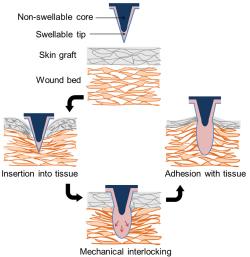
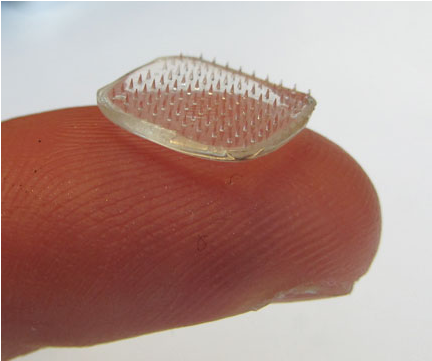
In order to mimic the worms’ function, Karp and his team created a matrix of microneedles to act as an adhesive device. Upon exposure to water, the tips of the microneedles swell, giving rise to functionality similar to the Pomphorhynchus laevis‘ head. To do this, the device is made of two layers of material: a core made out of polystyrene (found in food storage containers and plastic cutlery) and an outer layer made from a combination of polystyrene and super-absorbent polyacrylic acid (found in diapers). As you can imagine, when the adhesive patch is placed on top of a skin graft, the needles penetrate the underlying layer of tissue, making contact with the extracellular matrix and the surrounding body fluids. This triggers the outer layer of the microneedles to expand, effectively causing them to interlock with the surrounding tissue and keep the graft and patch secure.

Microneedle Adhesive Process
Microneedle Swelling Process, Courtesy of slate.com

This technology could be revolutionary in the world of medicine because it could alleviate the problems that are commonly run into with traditional skin grafts. According to Dr. Bohdan Pomahac, a plastic and reconstructive surgeon, skin grafts run into three main problems. First, skin grafts exposed to shear stresses often fall off because they are not stuck on tight enough and slide around without adhering to the underlying tissue. To accomodate for this, surgeons generally use staples or sutures to hold down the edges of the grafts. However, this leads to the second problem, which is fluid pooling under the parts of the graft that aren’t held down. The microneedle skin graft can solve this problem because it is applied across the entire graft, thus pinning the graft down over a much larger area. Finally, the third major problem involves infection. The worm-inspired adhesive has shown promise in minimizing infections by disallowing bacteria from infiltrating tissue around the microneedles, which form tighter junctions than staples, leaving less room for pathogens to squeeze in. This was proven by releasing fluorescently labeled Escherichia coli into the site of in vitro pig skin grafts.

Screen Shot 2016-04-10 at 10.27.33 PM
Microneedle Adhesive, Courtesy of the-scientist.com

Even though the Pomphorhynchus laevis is an organism that nobody wants near them, you have to admit that its functionality was well worth investigating. The bioinspired microneedle adhesion patch has proven to be a potential game-changer in the world of reconstructive surgery. By further developing this technology, the problems associated with traditional skin grafts could become a thing of the past, providing comfort for patients exposed to burns, infections, some cancers or other skin-damaging trauma.

~Keegan


References

Yandell, Kate. “Sticking Power.” The Scientist. N.p., 1 July 2013. Web. 8 Apr. 2016. <http://www.the-scientist.com/?articles.view/articleNo/36093/title/Sticking-Power/&gt;.

Bittel, Jason. “New Surgical Microneedle Inspired by Parasites—and Your Nightmares.” Slate. N.p., 18 Apr. 2013. Web. 8 Apr. 2016. <http://www.slate.com/blogs/future_tense/2013/04/18/parasite_pomphorhynchus_laevis_inspires_surgical_microneedle_used_for_skin.html&gt;.

Gonzalez, Robbie. “Doctors Keep Skin Grafts in Place Using Parasitic Worms.” Io9. N.p., 16 Apr. 2013. Web. 8 Apr. 2016. <http://io9.gizmodo.com/doctors-keep-skin-grafts-in-place-using-parasitic-worms-473418116&gt;.


It’s Lit!

In a world where electrically based devices are literally everywhere, it is difficult to ever imagine another legitimate powering system that could achieve the same dynamic functionality of traditional circuitry based technologies. But contrary to popular conceptions in the greater American public, there already exists alternative substantial powering systems in nature. Although these systems do not boast the same robust control-ability that integrated circuitry provides they ultimately still achieve the same goal of periodic activation. Discussed in one of our previous postings, “What Emits Light Without Casting a Shadow?” , the internal symbiotic relationship between the Hawaiian Bobtail Squid and Aliivibrio fischeri bacteria has been found to be one of the most intriguing naturally occurring, light emitting systems in the world. Expanding upon initial observations of the squid-bacteria system, a startup company has developed a light emitting plant via genetic engineering.

Fig. 1: The illuminated, Arabidopsis plant

After initially trying and failing to simply splice the genes of the bacteria with that of the Arabidopsis plant, the company began to tinker with the genetic structure needed to achieve bioluminescence within the plant. The company used the novel approach of iterating through various DNA arrangements with the help of genetic sequencing software called Genetic Compiler and Golden Braid. Computer aided iteration of chemical structures allowed for an expedited process to determine proper genetic makeup for light emitting gene expression. After developing gene models, the kick starter company then with the help of DNA assembling businesses were able to come up with a suitable gene DNA sequence.

Next, the gene was incorporated into the plant leaves using Agrobacterium tumefaciens bacteria. This pathogenic bacteria is known for inserting its own genetic material into host plant cells. However, a controlled neutralized version can act as a vector to introduce the synthesized genetic coding into plant leaf cells. After initial findings from this implantation, the company established a goal of determining the best genetically sequenced codes for optimal light emitting performance by experimenting with ~1500 different sequences. However, in order to accomplish their ultimate goal of a commercially available product, they first had to overcome the demands of the United States department of Agriculture. The USDA considers the tumefaciens bacteria as a potential health risk, thus the company overcame this burden by incorporating the use of a gene gun as the prime method for synthesized gene integration instead of using a bacterial vector.

Fig. 2: Gene Gun Process Diagram

It seems that the company will eventually become successful in creating bioengineered plant seeds that can be readily purchased online; their site allows individuals to go ahead and begin pre-ordering of the seeds. Although this is a basic example of a fun but relatively limited use product, the main underlying concept of genetic engineering to accomplish astounding phenotype behavior in organisms is the truly inspiring consideration. Although still questionable in terms of ethics regarding tampering with natural organism design, the promise of alleviating many genetically caused abnormalities in both humans and other species is too compelling not to explore. Regenerative ability, improved physical capabilities, and heightened sensory efficiency are only a few examples of the types of technology they may be possible given sufficient research and development into genetic engineering.

But before we start mixing organism DNA haphazardly, there firstly should be extensive consideration given to researching the long term effects of artificially initiated genetic alterations. Proper gene expression might be accomplished in one generation however a malicious, never before seen, untreatable genetic mutation may arise in following generations of kin. Or similarly the foreign introduced genetic coding may even corrupt a properly functioning genetic sequence introducing problems where there were none before. In summary, given these particular successful findings from experimentation as well as other current research projects, genetic engineering will most likely become a more significant field of investigation in the near future. Therefore it is the responsibility of us humans to always be fully aware of all the possible outcomes, whether good or bad that these experimentation may encompass; our collective focus should always center around specific application, function, and results both intended and not.

–PRS

Sources

Hypersensitive Hearing: Finally, a Reason to Be Thankful for Flies

We can all agree that flies are one of the most irritating organisms in the animal kingdom; we all, at one point, have said to ourselves that the world would probably be a better place without them. However, new developments in bioinspiration have unveiled a reason to potentially cut the suckers some slack.

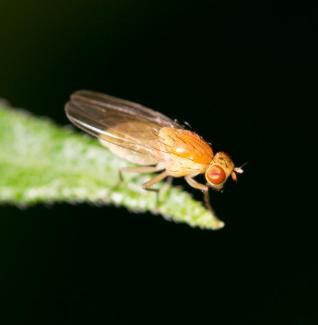
One species of fly – the Ormia Ochracea – has developed a truly remarkable sense of hearing. The fly has a mean set of ears that allow it to precisely locate objects based on sound alone. Their remarkable sense of sound exists thanks to their unique sound processing mechanism – the fly’s eardrums are connected together by a small, rigid structure that behaves like a see-saw. The tiny structure allows for the organism to precisely pinpoint sources of sound by amplifying very small differences in the arrival time of the sound. Now, this is different than most insects, which cannot pinpoint sounds due to the sound waves hitting their ears at virtually the same time (since their ears are on average a millimeter or two apart). With the help of the see-saw-like structures, the fly’s brain is able to identify the minuscule differences in the arrival time of sound waves to locate the source.

Ormia Ochracea
Figure 1: The Ormia Ochracea (from Medical Daily source)

To illustrate this mechanism, think about a speaker that is perfectly in front of or behind the fly. In theory, the sound waves would hit the fly’s eardrums at the same exact time, right? Now, if the speaker is 45 degrees to the right of the fly, the fly’s right ear would pick up the emitted sound waves a split second before the left ear since the sound waves have to travel further to hit the left eardrum. With this information, the fly’s brain is able to calculate those differences to pinpoint the speaker’s location. As you can imagine, different relative locations of the speaker would result in unique differences in the arrival times of sound, allowing for a robust sound processing system.

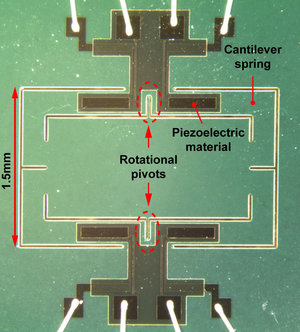
Researchers at the University of Texas at Austin have utilized the Ormia Ochracea‘s acute hearing capabilities to develop a miniature device that could lead to hypersensitive hearing aids. The scientists built a see-saw-like structure out of silicon, containing rotational pivots and cantilever springs, to model the fly’s eardrum anatomy. In conjunction with piezoelectric materials, which emit an electrical signal when deformed, the device can measure flexing and rotation resulting from the sound wave-mediated deformation of the structure. This allows for the device to determine the whereabouts of the sound source in a similar way to the Ormia Ochracea. 

Ormia Ochracea Microphone
Figure 2: Silicon prototype developed by researchers at the University of Texas at Austin (from NPR source)

One of the major benefits of this technology is that the device is about the size of a fingernail, allowing for the design of a hearing aid that is barely noticeable by the user and those who interact with them. Furthermore, since the design utilizes piezoelectric materials, it is much more energy efficient than current on-the-market hearing aids, which is always an issue in battery powered hearing aids. Finally, this technology could be revolutionary because it could provide a solution to the most common patient dissatisfaction. That is, when users turn up their hearing aids to hear someone across the room, they not only amplify the voice of the person they’re interacting with, but also the surrounding background noise, which discourages people from using hearing-assisting devices. A study reported that only two percent of the U.S. population uses hearing aids, but estimated that as much as 10 percent would benefit from wearing one – a result of the aforementioned annoyance.

So, maybe the fly isn’t such a useless organism after all! Further developments in bioinspired hearing aids could get hearing-assisting technology in the hands (or ears, really) of more patients in need without causing many of the currently unwanted side effects. As hearing loss becomes a more prevalent problem in the world, more sophisticated hearing assistance is more crucial than ever.

~Keegan


References

Dovey, Dana. “Futuristic Hearing Aid Inspired By Hypersensitive Hearing Of Flies.” Medical Daily. N.p., 22 July 2014. Web. 23 Mar. 2016.
Manke, Kara. “How A Tiny Fly’s Ears Could Help You Hear Better.” NPR. NPR, 22 July 2014. Web. 23 Mar. 2016.
Lindsey, Joel. “Developing Fly-Inspired, Piezoelectric Hearing Aids.”Developing Fly-Inspired Piezoelectric Hearing Aids. N.p., 24 July 2014. Web. 23 Mar. 2016.


Pump Action Shrimp?!

“Anyway, like I was sayin’, shrimp is the fruit of the sea. You can barbecue it, boil it, broil it, bake it, saute it. There’s shrimp-kabobs, shrimp creole, shrimp gumbo…”-Forest Gump

Although Forest may have known just about every shrimp recipe ever, I highly doubt he was using Pistol Shrimp in his cookin’.  “Pistol Shrimp?” you may ask. Yup. It’s a shrimp that is pretty much exactly what your thinking. But that’s only if your thinking some sort of Pokemon like shrimp that can shoot bubbles like a little gun at enemies. Actually, after a quick google search you will find that there is actually a Pokemon with abilities directly inspired by the actual phenomena that have been witnessed from the Pistol Shrimp.

Figure 1. Clauncher
Image result for
Figure 2. Pistol Shrimp

The premise is simple, Pistol Shrimp have an enlarged claw that has incredible hinge snap speed. It hides until prey is near, cocks open the large claw, then when the victim is most vulnerable….BLAM! The claw is snapped shut and a bubble bullet is produced moving through the water at a speed of around 62 Mph!

Not only is the snapping ability of this astounding creature used for sonic communication underwater, but incredibly the bubble that is created through cavitation is at at temperature equivalent to that of the sun (surface, 5,600 Celsius). The impending shock wave surrounding the collapse of this high speed, ultra hot bullet is a debilitating attack rendering the prey absolutely defenseless. Aquatic Dead-eye

At the surface the Pistol Shrimp possess incredible potential for weaponry research and development, however I believe there are equally impressive applications towards industrial process heating and improving current device technology. Sonic weapons that cause sensory disorientation would be an improvement from lethal methods. An immobilized aggressor allows for subduing of the situation, capture, possible interrogation and proper retribution.Further, sonic heating of volumes of air and liquids could possibly be scaled up for use in raising of working fluid temperatures in thermodynamic processes. If found that mechanical production of bubbles to heat fluids is more efficient than combustion, thermal conduction and other conventional methods, than economic benefits will most certainly be explored.Finally, the quick speeds within a viscous medium of the gaseous bubble would be highly favorable if applicable to larger fluidic propulsion systems that could be used in peristaltic pumps or other deposition nozzle devices.

Its not hard to see why the Pistol Shrimp was chosen to be emulated in a hyperbole cartoon depiction. One can’t help but to wonder though…. what would happen if a Abalone just so happened to cross paths with a Pistol Shrimp? An unstoppable force meats an impenetrable defense. I Might have to dust off my GBA and game cartridges to do some serious statistical analyses, but not after I stock up on some hyper potions first.

–PRS


Sources:

Make Like a Leaf and….

……Perform highly complex chemical reactions by use of feedback and feed-forward control.

If by some chance you can do both of these functions, then you may just be a some sort of odd, half human and half shrub thing. But if your like a regular human who does not perform photosynthesis, then rest assured our collective flora allies in the world have no qualms with remaining the the main producers of oxygen. Just as humans are content to continue doing our part to stink up the atmosphere with carbon dioxide and give our plant buddies something to munch on .

In relation to the guest lecture delivered by Associate Professor, Sean Humbert on insect flight disturbance rejection and visual processing, plant photosynthesis encompasses not only feedback control, but the more rarely seen feed-forward control. Incident sunlight intensity triggers gene expression along with constant regulation of  end product concentrations resulting from the Calvin Cycle;  effective plant photosynthesis is ultimately a dictated by precise controlled, chemical reactions occurring in both systems, simultaneously.

Figure 1. Photosynthesis Process Diagram

Feedback Control, Sugar-Carbon Regulation

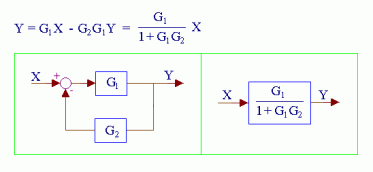
As depicted within Figure 1., the primary feedback interaction of the two processes which govern efficient plant photosynthesis, is the underlying  Calvin Cycle[1]. The Calvin Cycle can be modeled as a typical feedback control system as depicted below.

FEEDBACK
Figure 2. Negative Feedback Loop and Transfer Function

Initially , the input variable is carbon dioxide concentration (X), the input signal is then modulated in some fashion via G1 (Plant), to then give an output of sugar concentration (Y). However, on the next iteration the effective output (Y) will be lessened due to the effect of G2 (Controller) on the input signal (X). In other words the plant is aware of how much sugar it has already produced, and given that information is able to attenuate down the consumption of carbon dioxide usage for this particular process and instead increases carbon dioxide usage in other regions throughout the plant’s structure.

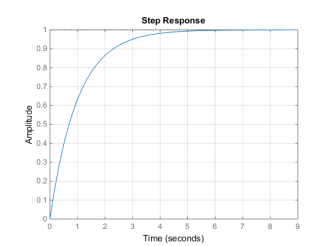
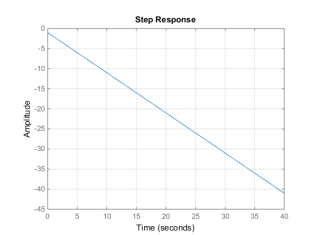
Therefore it can be reasoned that the controller for the system should be highly sensitive to the derivative changes in concentration, but should also not allow for unnecessary and wasteful overshoot due to the preference of using carbon dioxide reserves as sparingly and efficiently as possible. A hypothetical step response for the system is given below.

Example_1
Figure 3. Simple Negative Feedback, Step Response

Feed-Forward Control, Light-Gene Expression

The second process aiding in overall plant photosynthesis regulation is the feed-forward system encompassing incident light and gene expression. This system involves the interactions between a UV light source and the bulk surface area of the plant, and how process information is used to modulate photosynthetic ability.

Example_2
Figure 4. Feed-forward System

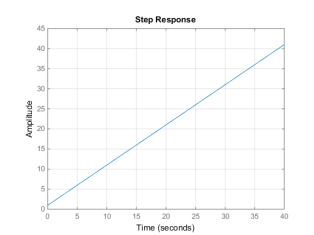
The application of plant feed-forward can be thought of as a biological tool to force the plant’s leaves to be as efficient as possible given changing light intensity levels. Figure 4 depicts how the initial consideration for the system is always the desired output, which in this case is maximum leaf photosynthetic efficiency. Thus the system internally modulates the control parameters to ensure that regardless the amount of light the plant is sustaining, it is always being processed in the most effective manner. Further it can be reasoned that the system responses for a typical plant’s average daily energy intake and oxygen production, transitioning from dawn to dusk, would look like both Figures 5 and 6. Figure 5 demonstrates an expected overall increase in leaf, photosynthesis gene expression due to the sun climbing higher in the sky as the day progresses. Similarly Figure 6 shows the gradual decrease in gene expression as the sun begins to set and light begins waning on leaf surface area.

Example_3
Figure 5. Morning to Noon, Feed-forward Step Response
Example_4
Figure 6. Noon to Night, Feed-forward Step Response

In Summation

It’s no surprise that mother nature is the best engineer. Considering that plant species were well established, oxygen producing algae before the emergence of land-dwelling creatures, it seems foolish not to look towards or eldest allies and inquire into what amazing processes and methods have already been solidified after millennia of trial-and-error adaptation.  Answers have been already been developed to better ensure prolonged health, the true task is finding these answers as they are disguised in the everyday life around us.

Novel technology that could be based of plant feedback and forward control integration, could possibly encompass smart drug delivery systems or adaptive transportation environments.

In regards to a drug delivery system, the feed-forward process would ensure an adequate amount of either analgesic, antidote, or medicine is supplied to the patient based upon optimal times of the day. For example, a person’s metabolism fluctuates depending the on time of day and whether or not the person is awake or sleep, and thus it is preferred to time chemical inputs with system source uptake. Paired with a feedback system to detect any deviations in normal biological chemical levels, such as oxygen and organic salts, the drug system would allow for introduction of new chemicals to initiate certain process, all whilst maintaining normal homeostasis and minimizing the after effects of the introduced drug treatment.

As for a structural application, I imagine feedback and forward control used to modulate the transportation flow of an electrical rail system or other large scale transportation networks. Feed-forward control would ensure that pedestrian transport downstream from boarding hubs is maintained in an efficient manner. If for example a regular travel route is closed off and a train is still on that route, it can finish unloading passengers, transition to another line back to the main station and use alternate sections of the remaining lines to still complete the necessary stations stops.  Whereas the feedback control could be used to regulate volume of bulk commuter travel dependent on user demand. If the wait times for passengers at downstream stations become too high, then outbound stations can increase the number of lines traveling to smaller hubs, increase the number of individual cars on each train or they can allow for increased travel speeds of the trains to better suit the pedestrian density of the overall system.

The idea of dynamical system control is not a new topic in engineering, yet the idea of looking to biological systems for control theory is. Although plants possess innate processes that cannot be fully summarized by human mathematical models, the true intent should be to look at nature for unique perspective. If we can attain a new way to interpret a problem, we just may find a suitable solution that could never be realized before due to limited conceptions of what is possible.

-PRS


Sources

  1. “Calvin.” Calvin. N.p., n.d. Web. 24 Feb. 2016. <http://www.science.smith.edu/departments/Biology/Bio231/calvin.html&gt;.
  2. Paul, M. J., and T. K. Pellny. “Carbon Metabolite Feedback Regulation of Leaf Photosynthesis and Development.” Journal of Experimental Botany 54.382 (2003): 539-47. Web. <http://jxb.oxfordjournals.org/content/54/382/539.long&gt;.

Combating a Post-Antibiotic World

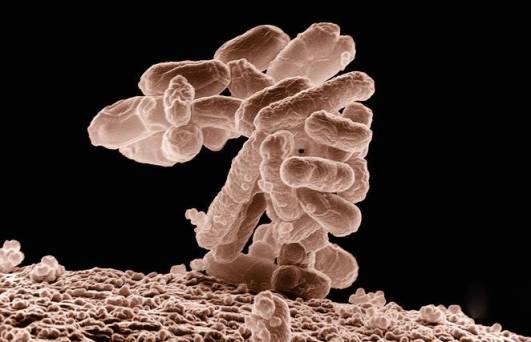
In 1998, Dr. Dennis Maki spoke about the importance of antibiotic stewardship during a meeting at the Infectious Disease Society of America. He infamously explained that “the development of new antibiotics without having mechanisms to insure their appropriate use is much like supplying your alcoholic patients with a finer brandy.” Truer words have never been spoken about the danger of antibiotic overconsumption – today, we face an increasingly realistic risk of losing effective antibiotics, which could prove to be catastrophic. Since 1998, the FDA has only approved 11 new antibiotics, while the emergence of drug-resistant bacteria has become widespread, affecting a whopping 2 million people in 2011. In the 90’s, resistance rates were seen at a moderate 10 to 15 percent; now it’s up to 60 percent. Just recently, in December 2015, scientists discovered an evolved strain of E. Coli resistance to all known forms of antibiotics.

Drug-Resistant E. Coli
Figure 1: E. Coli, magnified 10,000 times

So, are antibiotics really all that important? Absolutely. The discovery of antibiotics has been one of the most substantial advances in medicine, if not the most. In fact, it hailed what many consider to be a new era in the treatment of communicable diseases. Our society owes the advances in invasive surgeries, prosthetics, and chemotherapy among many other things to antibiotics. With that being said, a world without antibiotics could send the medical industry back to the stone age. What’s now seen as a simple procedure could easily become a high-risk operation. Though the possibility of a post-antibiotic world is arguably a cause for alarm in the medical industry, there’s a hope to fight resistant strains of bacteria in a revolutionary way.

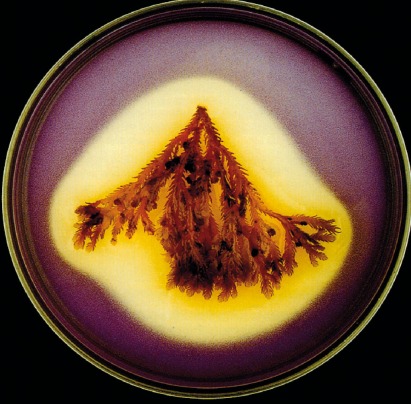
Researchers at the University of South Wales have studied an Australian seaweed, known as Delisea pulchra, which has shown quite a bit of promise in combating bacteria in an innovative way. Instead of destroying the bacteria, compounds known as furanones can prevent bacteria from switching on their disease-causing mechanisms by “jamming” their communications network. “Because furanones don’t kill the bacteria, there is no selection pressure for them to develop resistance. Indeed, in a million years of evolution, no natural resistance has been developed by bacteria to these furanones in the natural environment.”

Biomimetic Seaweed
Figure 2: A Delisea pulchra specimen placed on a culture of Chromobacterium violaceum

How do furanones actually jam the bacterial communication networks, though? Many bacterial species utilize a certain type of molecule, N-acyl homoserine lactone, as a signal to coordinate their population behavior during invasion and colonization of other organisms. This phenomenon, known as quorum-sensing, has been found to influence bacterial behavioral processes such as the ability to form biofilms, which provide a resistance to to disinfectants, antibiotics, and the action of host immune defenses. Furanones are capable of stopping the formation of these biofilms by interfering with the quorum-sensing systems of bacteria, effectively leaving the bacteria defenseless.

So, should we develop this new phenomena with a biomimetic, or a bioinspired approach? If you think about it, taking a biomimetic approach – that is, attempting to copy and recreate the structure-function relations observed in living entities – is probably not a good idea. The furanones found in the aforementioned seaweed block signal transductions in bacteria, therefore jamming their communication systems. While this is great for unwanted bacteria, the bacteria we want to actually keep in tact – probiotics – would suffer the same consequences. Therefore, a bioinspired approach is probably wiser. An ideal solution would be one that jams the communications of unwanted bacteria while avoiding any complications with probiotic functions.

In conclusion, antibiotic resistance has become a very real problem over the past couple of decades. However, the discovery of Delisea pulchra’s effect on bacterial growth show quite a bit of promise for the development of “resistance-resistant” methods of combating bacterial infections. In the near future, we may witness the formation of a post-antibiotic world; however, it very well may be accompanied by the rise of a new and exciting furanonic world.

~Keegan


References

Wu, H., Z. Song, M. Hentzer, J.B. Andersen, S. Molin, M. Givskov, and N. Høiby. “Synthetic Furanones Inhibit Quorum-sensing and Enhance Bacterial Clearance in Pseudomonas Aeruginosa Lung Infection in Mice.” Journal of Antimicrobial Chemotherapy 5.10 (2004): 1093. Oxford Journals. Web. <http://jac.oxfordjournals.org/content/53/6/1054.full.pdf&gt;.

Krans, Brian. “Few New Drugs: Why the Antibiotic Pipeline Is Running Dry.” Healthline. N.p., n.d. Web. 18 Feb. 2016. <http://www.healthline.com/health/antibiotics/why-pipeline-running-dry&gt;.

Breyer, Melissa. “New E. Coli Strain Resistant to All Known Antibiotics.” TreeHugger. N.p., n.d. Web. 18 Feb. 2016. <http://www.treehugger.com/health/new-e-coli-strain-resistant-all-known-antibiotics.html&gt;.

“Interceptación De La Comunicación Bacteriana: Una Alternativa a Los Antibióticos.” Ipacuicultura. N.p., n.d. Web. 18 Feb. 2016. <http://www.ipacuicultura.com/edicion_impresa/295/64/investigacion/18274/interceptacion_de_la_comunicacion_bacteriana_una_alternativa_a_los_antibioticos-p1.html&gt;.

What Emits Light But Doesn’t Cast A Shadow?

Come up with an answer?

It’s okay if not, it is a tough question. But I am willing to bet you did not immediately blurt out, “Hawaiian Bobtail Squid!”

Hawaiian bobtail squid
Figure 1. Hawaiian Bobtail Squid (Day)

Indeed, the little speckled fellow above happens to be one of the stealthiest predator evaders in nature; what is even more incredible is this little cephalopod does it all unconsciously!

A symbiotic relationship has been established via coevolution between the squid (Host) and bacteria (Microorganism) living inside a specially developed organ within the bobtail. The benign Aliivibrio fischeri bacteria flourishes in the squid’s encasing organ. Nourished by sugar and amino acid secretions into the organ, the bacteria is able to regulate its own periodic population density.

Figure 2. Illuminated Hawaiian Bobtail Squid (Night)

Initially during the day the squid has a low to moderate concentration of the bacteria. As the day progresses the bacteria proliferates from the secreted nourishment of the organ. By nightfall, the concentration of the bacteria continues to grow until a certain threshold bacteria density has been achieved. This proper level is determined via simultaneous environment sensing of all bacteria within the organ. As the bacteria flourish and multiply, they also are secrete proximal signaling chemicals; small chemical fragments floating all about their environment, reaching other neighboring cells of the same type as well as other tissue cells. Each bacterium also has innate receptors that are complimentary structures that allow for attachment to the deployed chemical signals. Thus once enough bacteria has been produced to ensure saturation of the environment with the signaling chemical, and once every bacterium’s receptors are completely occupied with a signal fragment, then all bacteria work together via quorum sensing  to initiate their individual glowing function; due to the sufficient bacterial density within the organ, the aggregate effect of all bacteria illuminating at once leads to the fascinating bioluminescence of the Hawaiian Bobtail Squid.

Now for physics for behind it. During nightfall, when the squid is actively searching for food and/or trying not to be eaten itself, it would under normal circumstances cast a shadow below itself within the water thus signaling to creatures below it off its location. But thanks to the help of its bacteria filled organ, it can emit the same intensity of light, outwards from its own body thus negating the incoming light and ultimately removing any cost shadow beneath its position.

Due to the complexity of this biological system, it seems that humans may not be able to completely recreate Instead though I believe this natural mechanism can most definitely be used as inspiration for human technology. Complete off-the-wall ideas could be: stealth surface coatings for both aquatic and aerial vessels, more efficient or improved lighting systems, light emitting safety devices, ambient sensitive lighting for electronics. Again these are all completely hypothetical technologies, yet there is the potential that astonishing things are always on the precipice of discovery, if only we dare to explore and wonder.

-P.S. This was drafted and completed  a week ago however I forgot to post it in time. My apologies.

–PRS


Dermal Regeneration Templates: A Source of Hope for Burn Victims

On February 20, 1997, Tony Gonzalez became a victim of a serious burn accident, resulting from the explosion of a nearby propane tank. While Tony was able to overcome the minuscule odds of surviving through an intensive, four-hospital journey, he had a rough road ahead of him. A major burn is the most severe classification for burn victims, and is characterized by having more than 20% of total body surface area affected – Tony’s accident resulted in having 95% of his body burned, causing widespread scarring, a vulnerability to infection, and a dangerously low body temperature among other things. One major issue with burn victims, especially in Tony’s case, is sourcing a grafting site to replace dead tissue with healthy, living tissue – in his case, sourcing a donor site proved to be strenuous for surgeons. Fortunately, he has recovered from his injury, and has learned to live a somewhat normal life under his circumstances. Though his story is quite unfortunate, the good news is that there is hope for himself and future trauma victims due to a newly emerging field in engineering.

Tissue engineering is an exciting, new area of interest which evolved from the field of biomaterials development. It generally refers to the the development of biological substitutes that restore, maintain or improve tissue function. A pertinent component of is known as a scaffold, which is a structure of artificial or natural materials on which tissue is grown to replace damaged tissue in the body. These structures are important in tissue engineering because they act as templates for tissue regeneration, and guide the growth of new tissue by mimicking the structure of healthy biological systems. One example of tissue engineering is artificial skin, which is a promising technology that could potentially restore trauma victims’ health to where it was before their injuries occurred.

Figure 1: A mini bioengineered human liver that                 can be implanted into mice

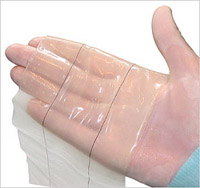
Integra has utilized tissue engineering to develop one of the models for artificial skin known as the Dermal Regeneration Template. The template is a scaffold that essentially allows blood vessels and other cells to regrow a new dermis layer through a porous matrix. Integra utilizes a two-layer system to achieve this: (1) a thick underlayer made of pure collagen (a natural protein) and glycosaminoglycan (a natrual carbohydrate), which are both natural components of healthy skin, and (2) a thin outer layer made of silicone, which is not a natural component of skin – however, the silicone outer layer is useful because it closes wounds and prevents essential fluid loss. This technology has been found to be quite useful with patients who have acute burns of scar contractures, giving patients an incredible max recovery time of 21 days for the dermal layer, which is good news for Tony and other trauma victims. The point of the Dermal Regneration Template, as the name implies, is meant only to restore of the dermal layer of skin. Therefore, once the silicone layer is peeled off, the skin is lacking an epidermal layer. However, the technology is very beneficial to victims of trauma, because it eliminates the necessity of a full thickness graft, which removes both the dermal and epidermal layers of the donor site. Instead, the repairing of the epidermal layer requires only a thin graft, which allows for minimal donor site wounds that heal much faster.

Figure 2: Integra's Dermal Regeneration Template
Figure 2: Integra’s Dermal                         Regeneration Template

In conclusion, advances in tissue engineering, such as Integra’s Dermal Regeneration Template, show incredible promise for the future recovery of trauma victims. While the current technology is revolutionary, future artificial skin developments should focus on attempting to create an epidermal layer scaffold in conjunction with a dermal layer of skin to completely eliminate the need for grafting. With further development in this technology, long and intensive burn recoveries may become a thing of the past.

~Keegan

References

Edwards, Kathy J. “A Man of Quiet Dignity.” Phoenix Society. N.p., n.d. Web. 2 Feb. 2016. <http://www.phoenix-society.org/resources/entry/tony-gonzalez&gt;.

Mayo Clinic Staff. “Burn Complications.” Mayo Clinic. N.p., 1 Aug. 2015. Web. 2 Feb. 2016. <http://www.mayoclinic.org/diseases-conditions/burns/basics/complications/con-20035028&gt;.

INTEGRA ® DERMAL REGENERATION TEMPLATE (n.d.): n. pag. Web. <http://www.accessdata.fda.gov/cdrh_docs/pdf/P900033S008d.pdf&gt;

Click to access P900033S008d.pdf

Click to access P900033S008d.pdf